

Cybersecurity isn't just a "big company problem" anymore. UK small and medium enterprises (SMEs) are increasingly in the crosshairs of cybercriminals, and the statistics are sobering. According to recent data, cyber claims from UK SMEs have risen 10% year-on-year, with an average claim cost of £40,000 and recovery cycles lasting around 300 days.
The harsh reality? Many of these attacks succeed because of preventable mistakes that SMEs make with their cybersecurity approach. The good news is that most of these vulnerabilities can be fixed with the right IT support and strategy.
Let's dive into the seven most common cybersecurity mistakes we see UK SMEs making: and more importantly, how a skilled IT partner can help fix them.
1. Skipping Multi-Factor Authentication (MFA)
The Mistake: Far too many SMEs are still operating with simple username-password combinations across their email systems, remote access tools, and critical applications. It's like leaving your front door unlocked because you've got a "Beware of Dog" sign.
Why It's Dangerous: Phishing attacks and social engineering tactics are getting more sophisticated by the day. A single compromised password can give attackers access to your entire network.
The IT Partner Solution: A good managed IT provider will enforce MFA across all your critical systems within the first week of engagement. They'll prioritise phishing-resistant MFA options and ensure your team actually uses them without creating workflow friction. It's one of the highest-impact security improvements you can make.

2. Forgetting About Offline Backups
The Mistake: Many SMEs think their cloud storage or on-site server backups are sufficient. But when ransomware hits, attackers often target these backup systems first, leaving businesses with no recovery options.
Why It's Dangerous: Without properly isolated offline backups, a ransomware attack can shut down your business for weeks. We've seen SMEs forced to pay ransom demands because they had no other way to recover their data.
The IT Partner Solution: Professional IT support includes establishing automated backup routines with tested restoration procedures. They'll maintain offline copies that attackers can't reach and regularly validate backup integrity. Think of it as your business continuity insurance policy.
3. Playing Catch-Up with Software Patches
The Mistake: "We'll update that next month" is a dangerous game. SMEs often delay critical software patches, especially for internet-facing systems, leaving known vulnerabilities wide open.
Why It's Dangerous: Cybercriminals actively scan for unpatched systems. It's like advertising that your security has known weak spots.
The IT Partner Solution: Managed IT providers implement systematic patch management schedules that prioritise internet-facing systems and critical applications. They'll also review and remove unnecessary remote access points that create additional attack vectors.

4. Weak Identity and Access Controls
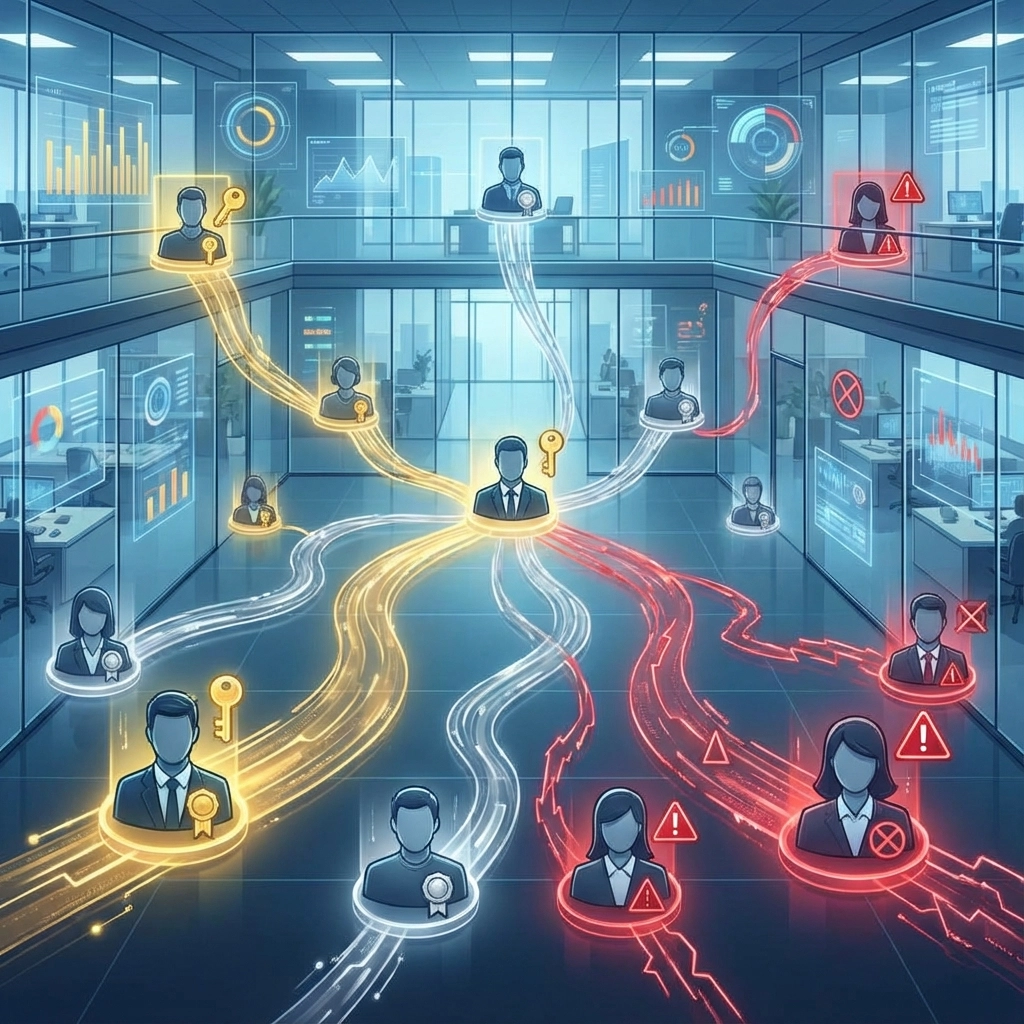
The Mistake: Shared admin passwords, unchanged default credentials, and "everyone gets admin access" policies are surprisingly common in SMEs. The hybrid working environment has made this problem even worse.
Why It's Dangerous: Insider threats now account for over 25% of data breaches, and weak access controls make it impossible to track who did what when things go wrong.
The IT Partner Solution: IT partners conduct regular audits of all admin and privileged accounts, eliminate shared credentials, and implement least-privilege access policies. They'll also establish zero-trust identity policies that verify every access request, regardless of user location.
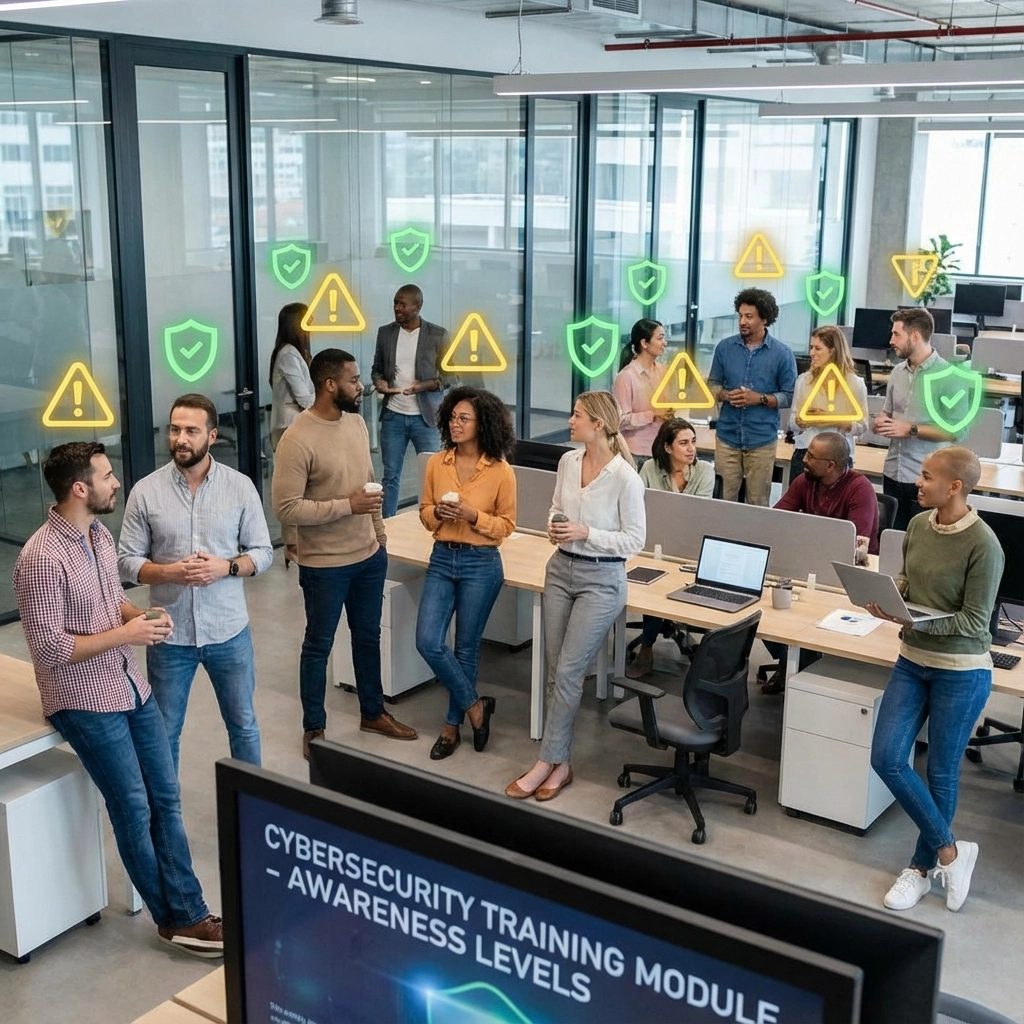
5. Underestimating Staff Training
The Mistake: "Our team knows not to click suspicious links" isn't enough anymore. Many SMEs skip formal cybersecurity awareness training or rely on annual sessions that quickly become outdated.
Why It's Dangerous: Attackers deliberately target less-trained workforces with sophisticated business email compromise (BEC) attacks that impersonate senior staff or trusted suppliers.
The IT Partner Solution: Ongoing, role-relevant cybersecurity awareness training that adapts to current threat landscapes. This includes simulated phishing exercises and practical guidance on handling sensitive data. Even businesses in seemingly unrelated sectors: like property inventory services: need tailored training that reflects their specific risk profile.

6. Ignoring Third-Party and Supply Chain Risks
The Mistake: SMEs often assume their suppliers and software vendors have robust security measures in place. This blind trust can be costly.
Why It's Dangerous: Supply chain attacks now comprise over 10% of all cyber threats. High-profile breaches frequently exploit weaknesses in third-party vendor systems to access multiple downstream businesses.
The IT Partner Solution: Professional IT support includes maintaining a third-party risk register, requesting Software Bills of Materials (SBOMs) from critical suppliers, and implementing network segmentation that limits potential breach impact. They'll also establish continuous dependency scanning for software vulnerabilities.
7. Going It Alone Without Professional Support
The Mistake: Many SMEs try to manage cybersecurity internally without dedicated IT security resources. They often lack formal incident response plans and rely solely on their own research to stay current with threats and regulations.
Why It's Dangerous: Cybersecurity is a full-time job that requires specialised knowledge and constant attention. Without professional support, SMEs are essentially flying blind.
The IT Partner Solution: This is where managed IT services really shine. Professional IT partners provide ongoing monitoring, build comprehensive incident response plans, and ensure compliance with frameworks like Cyber Essentials. They also help SMEs understand the interconnected risks: like business interruption and reputational damage: that stem from cyber incidents.
The Real Cost of Cybersecurity Mistakes
Here's what many SME owners don't realise: the cost of prevention is almost always lower than the cost of recovery. Beyond the direct financial impact of breaches, there are hidden costs like:
- Lost productivity during system downtime
- Customer trust and reputation damage
- Regulatory compliance failures and potential fines
- Business interruption that can last months
Whether you're running a manufacturing company, retail business, or specialised service like property inventory clerks, these risks apply across all sectors. The threat landscape doesn't discriminate by industry size or type.
Why Partner with Professional IT Support?
The cybersecurity landscape changes daily. New threats emerge, regulations evolve, and attack methods become more sophisticated. For most SMEs, keeping up with these changes while running their core business simply isn't feasible.
A skilled IT partner brings:
- Proactive monitoring that catches threats before they become breaches
- Expertise in current threat landscapes and defense strategies
- Cost-effective solutions that scale with your business needs
- Compliance guidance for industry-specific regulations
- Incident response capabilities when things do go wrong
Taking Action on Cybersecurity
If you've recognised your business in any of these seven mistakes, don't panic. The important thing is taking action now, before you become a statistic.
Start with the basics: implement MFA, ensure your backups are properly isolated, and establish a patch management routine. But remember, cybersecurity isn't a set-it-and-forget-it solution: it requires ongoing attention and expertise.
The most successful SMEs we work with treat cybersecurity as a business enabler, not just a cost centre. They understand that robust security measures actually support business growth by protecting the systems and data that customers trust them with.
Don't let cybersecurity mistakes hold your business back or put your customers at risk. With the right IT partner, you can transform your cybersecurity from a source of anxiety into a competitive advantage.
Ready to strengthen your cybersecurity posture? Book a free discovery call, let's Talk – https://itandconsultancy.co.uk/lets-talk/
Tags: cybersecurity, managed IT, small business IT, UK IT support, SME security, cyber threats, IT consulting
Category: News & Articles
Join The Discussion