

The days of putting all your digital eggs in one cloud basket are rapidly coming to an end. Across the UK, small and medium enterprises (SMEs) are increasingly adopting multi-cloud strategies, and for good reason. What was once considered an enterprise-only approach has become not just accessible, but essential for businesses looking to stay competitive in today's rapidly evolving digital landscape.
What Exactly Is Multi-Cloud Strategy?
Simply put, multi-cloud strategy involves distributing your IT workloads across two or more cloud service providers rather than relying on a single vendor. Instead of being married to Microsoft Azure, Amazon Web Services (AWS), or Google Cloud Platform exclusively, savvy UK businesses are cherry-picking the best services from multiple providers to create a more robust, flexible, and cost-effective IT infrastructure.
Think of it like diversifying an investment portfolio – you wouldn't put all your money in one stock, so why put all your data and applications with one cloud provider?

The UK SME Revolution: Why the Switch Is Happening Now
British SMEs are pragmatic by nature, and they're recognising that multi-cloud isn't just a buzzword – it's a business necessity. Several factors are driving this shift across the UK market:
Brexit-Related Considerations: Post-Brexit, UK businesses are increasingly conscious about data sovereignty and ensuring their cloud infrastructure can adapt to changing regulatory requirements. Multi-cloud strategies provide the flexibility to keep data in specific jurisdictions whilst maintaining operational efficiency.
Economic Pressures: With inflation and rising operational costs hitting UK businesses hard, SMEs are seeking every possible advantage to optimise spending. Multi-cloud strategies offer significant cost optimisation opportunities that single-vendor approaches simply can't match.
Increased Cyber Threats: UK businesses face an average of 4,500 cyber attacks per day according to recent government statistics. Multi-cloud strategies provide enhanced security through diversification and redundancy that single-cloud approaches cannot offer.
The Compelling Benefits Drawing UK SMEs to Multi-Cloud
Cost Optimisation That Actually Works
One of the most immediate benefits UK SMEs discover with multi-cloud is genuine cost savings. By comparing pricing models across providers, businesses can select the most economically viable options for different workloads. For instance, you might use AWS for computing power, Google Cloud for machine learning capabilities, and Azure for Office 365 integration – each chosen for their competitive pricing in specific areas.
This approach prevents vendor lock-in pricing escalations and gives SMEs genuine negotiating power with cloud providers. When your contract comes up for renewal, having alternatives already in place strengthens your position considerably.

Enhanced Reliability and Business Continuity
British weather taught us never to rely on just one umbrella, and the same principle applies to cloud infrastructure. Multi-cloud strategies provide built-in redundancy that dramatically reduces the risk of total system failure.
When Microsoft Azure experienced significant outages in early 2024, affecting thousands of UK businesses, those with multi-cloud setups continued operating normally by shifting critical workloads to their secondary providers. This kind of resilience is no longer a luxury – it's essential for maintaining customer trust and avoiding costly downtime.
Access to Best-of-Breed Services
Different cloud providers excel in different areas. AWS dominates in raw computing power and storage options, Google Cloud leads in artificial intelligence and machine learning capabilities, whilst Microsoft Azure offers superior integration with existing Windows-based business systems.
Multi-cloud strategies allow UK SMEs to leverage each provider's strengths without compromise. Your customer relationship management might run beautifully on Salesforce's cloud, whilst your accounting system performs optimally on Azure, and your website benefits from AWS's global content delivery network.
Technology Expense Management for Growing Businesses
For UK SMEs with international aspirations or multinational operations, multi-cloud strategies become even more critical for effective technology expense management. Managing IT costs across different countries and currencies requires sophisticated approaches that single-cloud strategies often can't provide.
Regional Pricing Advantages: Different cloud providers offer varying pricing structures in different geographical regions. A multi-cloud approach allows businesses to optimise costs by selecting the most cost-effective provider for each region of operation.
Currency Risk Management: By distributing cloud expenses across multiple providers and regions, businesses can naturally hedge against currency fluctuations – particularly important for UK companies operating in multiple markets post-Brexit.
Compliance and Data Residency: International operations often require data to remain within specific jurisdictions. Multi-cloud strategies provide the flexibility to comply with varying international regulations whilst maintaining operational efficiency.

Implementation Considerations for UK SMEs
Start Small, Scale Smart
The key to successful multi-cloud adoption for SMEs is gradual implementation. Begin by identifying specific workloads or applications that would benefit from alternative providers, rather than attempting a wholesale migration.
Consider starting with non-critical applications or new projects, allowing your team to build expertise and confidence before moving mission-critical systems.
Skills and Training Investment
Multi-cloud environments require broader technical knowledge than single-provider setups. However, this investment in skills development often pays dividends through improved problem-solving capabilities and reduced dependency on external consultants.
Many UK SMEs partner with managed service providers to bridge the skills gap whilst building internal capabilities. This hybrid approach provides immediate expertise whilst developing long-term internal competencies.
Security Considerations
While multi-cloud provides enhanced security through diversification, it also introduces complexity in security management. Consistent security policies across multiple providers require careful planning and implementation.
The good news is that major cloud providers have significantly improved their security integration capabilities, making cross-platform security management more straightforward than ever before.
The Property Management Connection
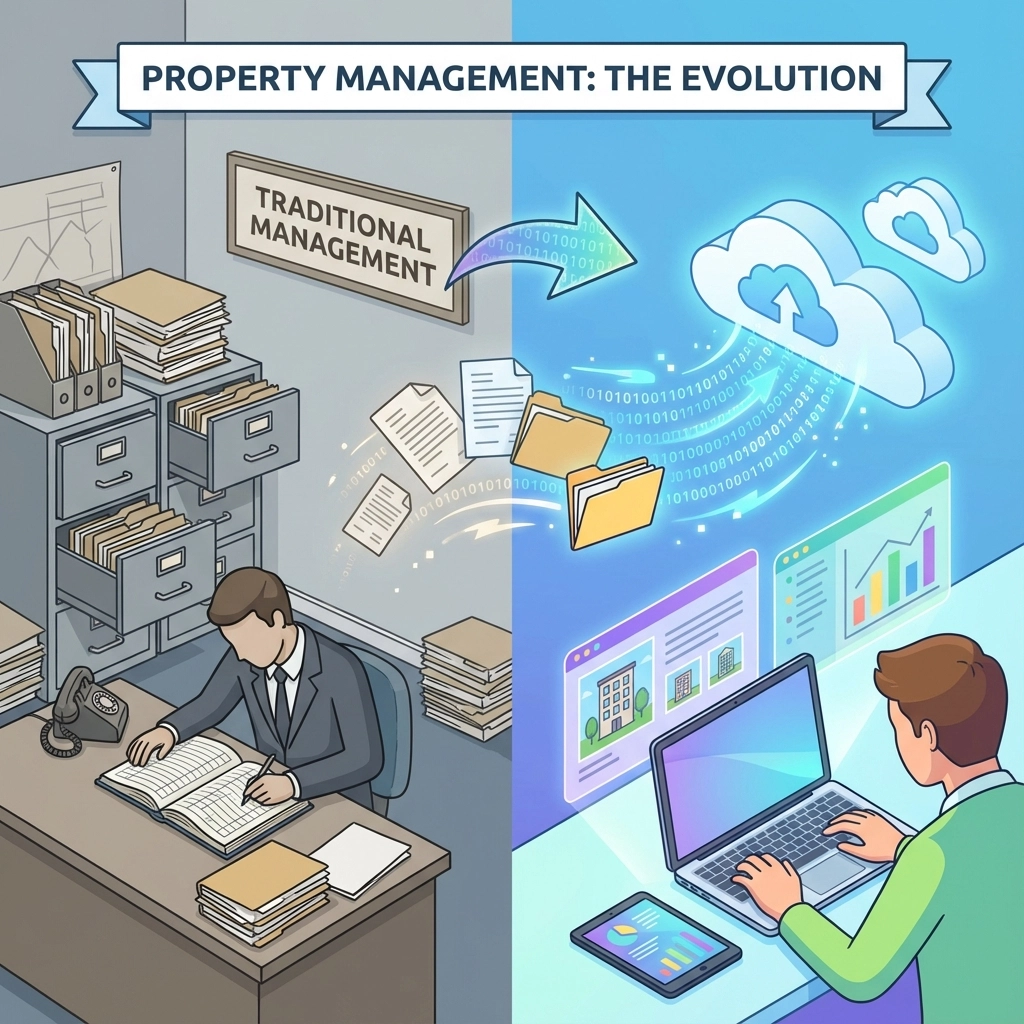
Interestingly, we've observed this multi-cloud trend extending beyond traditional IT businesses. Even property management companies are recognising the benefits of diversified cloud strategies. For instance, businesses like those using Property Inventory Clerks services are finding that multi-cloud approaches provide the reliability and flexibility needed to manage property data, tenant communications, and maintenance schedules across different platforms and providers.
This crossover demonstrates how multi-cloud strategies are becoming standard practice across diverse industries, not just technology-focused businesses.
Making the Transition: Practical Next Steps
If you're considering a multi-cloud strategy for your UK SME, start with these practical steps:
- Audit Current Infrastructure: Document your existing cloud usage, costs, and pain points
- Identify Opportunities: Look for workloads that might perform better or cost less with alternative providers
- Develop a Migration Plan: Create a phased approach that minimises disruption to daily operations
- Invest in Monitoring: Implement tools that provide visibility across multiple cloud environments
- Plan for Integration: Ensure your chosen providers can communicate effectively with each other
The Future Is Multi-Cloud
The trend towards multi-cloud strategies among UK SMEs isn't just a passing fad – it's a fundamental shift in how businesses approach IT infrastructure. As cloud providers continue to innovate and specialise, the benefits of leveraging multiple platforms will only increase.
Forward-thinking UK SMEs are positioning themselves for success by adopting flexible, resilient, and cost-effective multi-cloud strategies today. The question isn't whether to adopt multi-cloud – it's how quickly you can implement it effectively.
Ready to explore how a multi-cloud strategy could benefit your business? Our team specialises in helping UK SMEs navigate the complexities of multi-cloud implementation whilst maximising the benefits of improved reliability, cost optimisation, and enhanced performance.
Book a free discovery call, let's Talk – we'd love to discuss how multi-cloud strategies could transform your business operations and bottom line.
Join The Discussion