

Property management has long been weighed down by paperwork, scattered communication channels, and manual processes that consume valuable time. Rent collection happens through bank transfers tracked in spreadsheets, maintenance requests arrive via phone calls or emails that get lost in crowded inboxes, and tenant records exist across multiple filing cabinets and disconnected software systems. For property managers juggling dozens or even hundreds of units, this fragmented approach creates bottlenecks, delays, and missed opportunities.
Digital transformation is changing that reality. By integrating modern technologies: cloud platforms, automation, artificial intelligence, and data analytics: into everyday property management operations, real estate professionals are consolidating their workflows, reducing administrative burden, and making smarter, faster decisions.
What Digital Transformation Really Means for Property Management
At its core, digital transformation in real estate means replacing disconnected, manual processes with integrated systems that work together seamlessly. Instead of managing rent collection in one tool, maintenance requests in another, and tenant communication through email, property managers now operate from a single, centralized hub that handles everything.
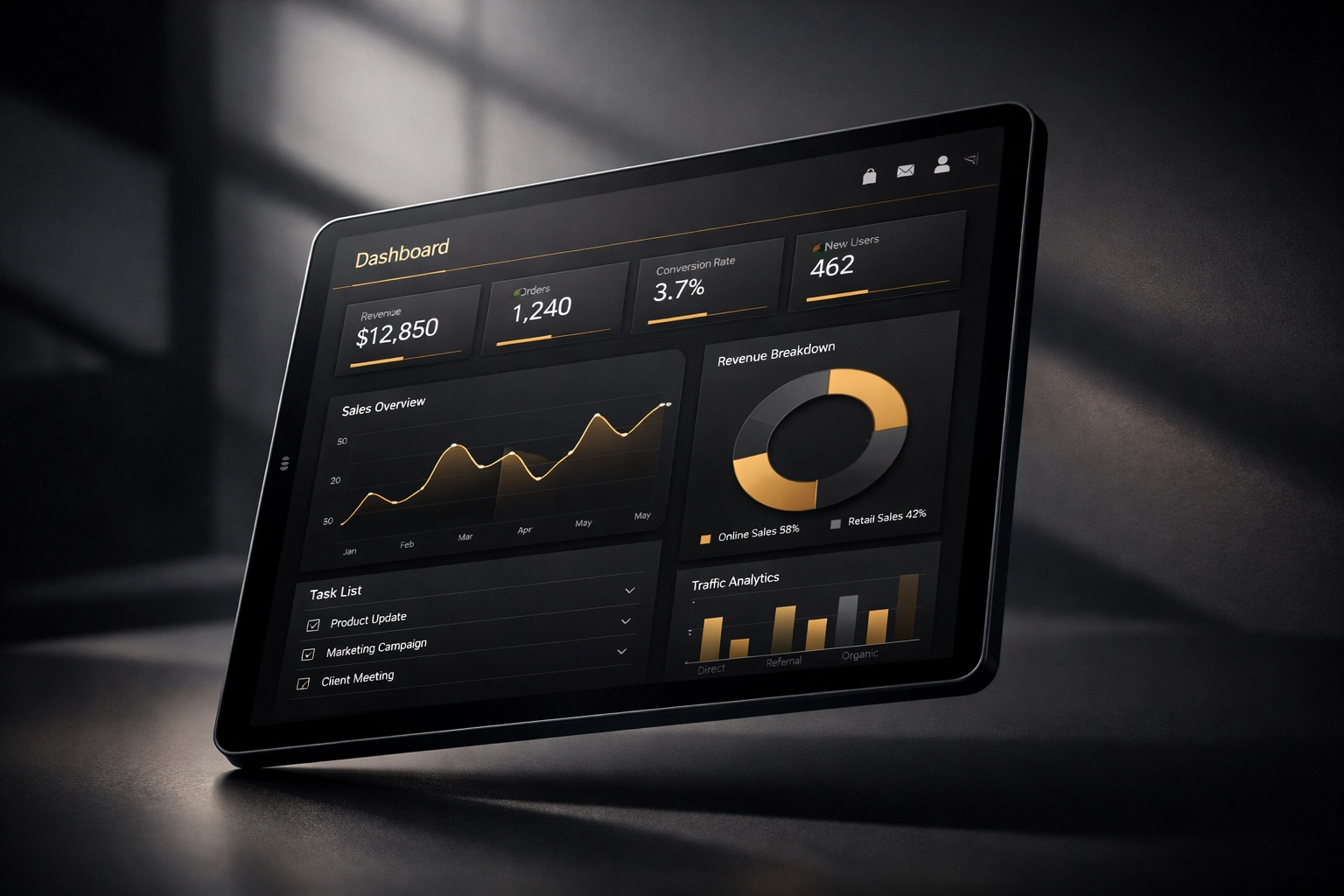
This shift eliminates the delays inherent in traditional systems. When a tenant submits a maintenance request through a mobile app, the system automatically routes it to the appropriate contractor, logs the issue in the maintenance database, and sends status updates to both the tenant and property manager. No phone tag, no lost emails, no wondering whether someone followed up.
The result is faster repairs, better tenant satisfaction, and fewer administrative headaches. Property managers spend less time chasing down information and more time focusing on strategic decisions that improve their portfolios.
Technologies Driving the Change
Several key technologies underpin this transformation, each addressing specific pain points in property management:
Cloud-Based Platforms serve as the foundation, storing all property data: leasing agreements, financial records, maintenance histories, tenant information: in one accessible location. Teams can access this information from anywhere, whether they're in the office, on-site at a property, or working remotely. This centralization improves collaboration across departments and ensures everyone works from the same accurate data.
Automation eliminates repetitive tasks that once consumed hours of staff time. Rent collection, vendor payments, lease renewals, and work order approvals now happen automatically according to predefined rules. Property managers can approve repairs from their phones during their commute, and tenants can pay rent or submit requests through self-service portals available 24/7.

Data Analytics and Predictive Insights convert the massive amounts of information generated by property operations into actionable patterns. Which properties consistently require more maintenance? Are energy costs trending upward in certain buildings? When are appliances most likely to fail based on usage patterns? These insights enable proactive decision-making rather than reactive firefighting.
Artificial Intelligence and Machine Learning take automation further by handling complex tasks like tenant communication, optimizing rental pricing based on market trends, and scheduling preventive maintenance before equipment failures occur. AI chatbots can answer common tenant questions instantly, freeing up staff to handle more complex issues.
IoT Sensors and Smart Building Technology provide real-time monitoring of water usage, HVAC performance, and energy consumption. When a sensor detects unusual water flow that might indicate a leak, it alerts the property manager immediately, preventing costly damage and disruption to tenants.
Streamlining Operations Across the Board
The practical impact of these technologies becomes clear when examining specific operational workflows.
Consider maintenance management. In traditional setups, a tenant calls the office to report a broken appliance. Someone takes notes, creates a work order manually, calls a contractor, schedules the repair, and follows up multiple times to ensure completion. Each step introduces delay and potential for error.

With digital transformation, the tenant submits the request through a mobile app with photos of the issue. The system automatically assigns it to a qualified contractor based on availability and expertise, sends the contractor all relevant property access information and repair history, and updates the tenant on estimated arrival time. When the repair is complete, the contractor closes the work order through their mobile device, triggering automatic payment processing and a satisfaction survey to the tenant. The entire process happens in hours rather than days, with minimal manual intervention.
Financial management sees similar improvements. Cloud-based accounting systems integrate with property management platforms to automatically track rent payments, expenses, and cash flow across entire portfolios. Property managers can generate financial reports with a few clicks, compare performance across properties, and identify cost-saving opportunities through detailed expense analysis.
The Critical Role of Accurate Inventory Management
One area where digital transformation delivers particularly significant value is property inventory management. Detailed, accurate inventories protect both landlords and tenants by documenting the condition of properties at move-in and move-out, preventing disputes over deposit deductions and ensuring fair treatment of all parties.
Traditional inventory processes involving paper forms, manual photography, and handwritten notes are time-consuming and prone to inconsistencies. Digital inventory solutions streamline this process dramatically, using mobile devices to capture high-quality photos, structured checklists to ensure nothing is missed, and cloud storage to make records instantly accessible.
For property managers handling multiple units, professional inventory services like Property Inventory Clerks integrate seamlessly with broader property management systems, providing detailed, legally compliant documentation that feeds directly into maintenance planning and end-of-tenancy processes. This integration means inventory data informs preventive maintenance schedules, helps identify recurring issues across properties, and provides clear evidence for any necessary deposit deductions.

Benefits for Every Stakeholder
Digital transformation delivers value across the entire property management ecosystem.
Property managers and asset managers gain portfolio-level visibility that was previously impossible. Dashboard views show occupancy rates, maintenance costs, energy efficiency metrics, and financial performance across all properties in real time. This visibility enables better decision-making, from identifying underperforming assets to spotting maintenance patterns that suggest larger issues.
Tenants experience faster response times, transparent communication, and convenient self-service options. Rather than calling the office during business hours to pay rent or report issues, they handle these tasks through mobile apps whenever it's convenient. Automated updates keep them informed about repair schedules and other important information. This improved experience increases satisfaction and retention.
Property owners benefit from more accurate valuations supported by comprehensive, up-to-date data on property condition, maintenance history, and financial performance. This information proves invaluable during transactions, refinancing, or portfolio optimization decisions.
Maintenance teams and contractors receive clear work orders with all necessary information, access properties more efficiently, and complete jobs faster with digital tools that eliminate paperwork and streamline approvals.
Making the Transition
For property management companies considering digital transformation, the key is starting with clear objectives. What specific pain points cause the most friction in your current operations? Where do you lose the most time to manual processes? Which areas generate the most tenant complaints?
Answering these questions helps identify where digital tools will deliver the most immediate value. Many companies begin with a single area: perhaps maintenance management or tenant communication: prove the value, then expand the digital transformation across other operations.
Integration is crucial. The most powerful digital transformation initiatives connect systems rather than creating new silos. Cloud platforms that integrate inventory management, accounting, maintenance, and tenant communication into a unified workflow deliver far more value than disconnected point solutions.
Training and change management deserve serious attention. Even the best technology fails without user adoption. Successful implementations include comprehensive training for staff and clear communication to tenants about new systems and how they benefit everyone.
Moving Forward
Digital transformation in property management isn't about adopting technology for its own sake. It's about solving real problems: reducing administrative burden, improving tenant satisfaction, enabling better decisions, and ultimately running more profitable, efficient operations.
The fragmented, manual processes that characterised property management for decades simply can't keep pace with modern expectations or deliver the insights needed for competitive advantage. Cloud platforms, automation, AI, and data analytics provide the foundation for property management that's faster, smarter, and more responsive.
If your property management operations still rely heavily on manual processes, spreadsheets, and disconnected systems, it's worth exploring how digital transformation could streamline your workflows and improve outcomes across your portfolio.
Ready to discuss how IT solutions can transform your property management operations? Book a discovery call with our team to explore tailored technology strategies for your business.

Join The Discussion