
If you've tried hiring lately, you already know the struggle. The talent pool feels shallow, candidates ghost interviews, and when you do find someone brilliant, they've got three other offers on the table. Staffing shortages aren't going anywhere in 2026, but the way we deal with them is changing fast.
Here's the good news: Artificial Intelligence isn't just for tech giants anymore. Small and medium-sized businesses across the UK are using AI to work smarter, hire faster, and get more done with leaner teams. And no, you don't need a computer science degree to make it happen.
Let's break down exactly how you can use AI to tackle staffing shortages in your business this year.
The Staffing Problem Isn't Going Away
Before we dive into solutions, let's acknowledge the elephant in the room. The UK is facing a genuine skills gap. Brexit reshaped the labour market, an ageing workforce is retiring faster than new talent is entering, and certain industries: IT, healthcare, hospitality: are feeling the squeeze more than ever.
Traditional hiring methods just aren't cutting it anymore. Posting a job ad and waiting for CVs to roll in? That worked in 2015. In 2026, you need to be proactive, efficient, and frankly, a bit clever about how you attract and retain talent.
That's where AI comes in.

Automate Your Recruitment Process
Let's start with the most obvious application: recruitment itself.
AI-powered recruiting tools can handle the grunt work that eats up your HR team's time. We're talking about sourcing candidates, screening CVs, scheduling interviews, and even sending follow-up emails. All automated.
The numbers speak for themselves:
- 25% reduction in time-to-hire with automated outreach and pipeline management
- 50% lower cost-to-hire compared to traditional methods
- 80% faster hiring cycles when AI handles the heavy lifting
For SMEs without a dedicated recruitment team, this is a game-changer. Instead of spending hours sifting through applications, you can focus on what actually matters: meeting candidates face-to-face and making the right hiring decisions.
Tools like AI-powered applicant tracking systems can screen high volumes of candidates at scale. They look for keywords, qualifications, and experience that match your requirements, then surface the best candidates for human review. It's not about replacing recruiters; it's about giving them superpowers.
Shift Your Focus from Headcount to Skills
Here's a mindset shift that more businesses need to embrace in 2026: stop asking "How many people do we need?" and start asking "What skills do we need?"
Traditional workforce planning revolves around headcount. You identify a gap, create a job description, and hire someone to fill it. But AI enables a more flexible approach: skills-based hiring.
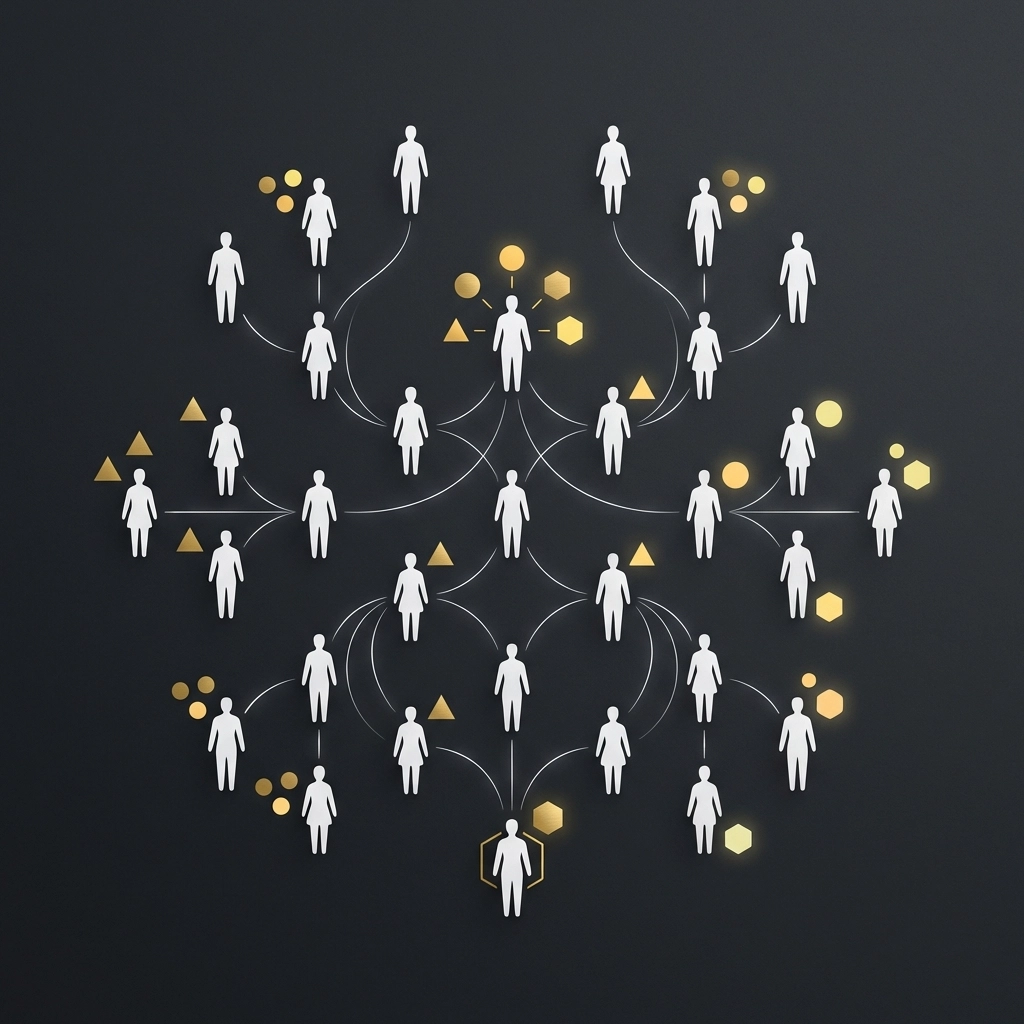
AI-powered systems can map your existing team's skills and identify gaps before they become problems. This approach offers several advantages:
- Greater flexibility as roles evolve and business needs change
- Spotting transferable experience you might otherwise overlook on a CV
- Smaller teams accomplishing more with the right combination of capabilities
Think about it this way. You might not need to hire a full-time data analyst if you upskill an existing team member and give them the right AI tools. You might not need three customer service reps if one person with AI assistance can handle the same volume of enquiries.
Real-Time Workforce Planning
Remember the days of rigid annual planning cycles? Setting your staffing budget in November and hoping it still made sense by June? Those days are over.
AI enables continuous workforce planning. Instead of making decisions based on last quarter's data, you can update your staffing strategy as new information emerges. This means:
- Anticipating staffing gaps months in advance
- Responding faster to market changes
- Making data-driven decisions rather than educated guesses
For seasonal businesses or those in volatile markets, this is particularly valuable. AI can analyse patterns in your workload, customer demand, and even external factors like economic indicators to help you staff appropriately.
No more scrambling to hire temps at the last minute. No more overstaffing during quiet periods. Just smart, responsive workforce management.
Building AI-Ready Teams
Here's something that often gets overlooked in these conversations: AI tools are only as good as the people using them.
The most successful businesses aren't just implementing AI: they're building teams that know how to work alongside it. This means:
- Hiring people who understand how AI fits into your tech stack and business goals
- Treating AI skills as standard capabilities, not specialist expertise
- Investing in training so your existing team can work with AI rather than around it
Companies using AI effectively report 20% to 40% better productivity. That's not a marginal improvement: that's transformational. And jobs focused on AI are growing three to four times faster than traditional IT roles.
The message is clear: AI literacy is becoming as fundamental as computer literacy was twenty years ago. If you're not building this into your hiring and training strategies, you're falling behind.

Practical Steps to Get Started
Feeling overwhelmed? Don't be. You don't need to overhaul your entire operation overnight. Here's a practical roadmap:
Step 1: Audit your current processes. Where are the bottlenecks? What tasks eat up the most time? These are your prime candidates for AI assistance.
Step 2: Start small. Pick one area: maybe recruitment screening or customer enquiry handling: and implement an AI solution there. Learn what works before scaling up.
Step 3: Invest in your people. The technology is only half the equation. Make sure your team has the training and support to use new tools effectively.
Step 4: Measure and iterate. Track your results. What's working? What isn't? AI implementation is an ongoing process, not a one-time project.
Step 5: Get expert guidance. This is where having the right IT partner makes all the difference. You don't have to figure this out alone.
A Real-World Example
At propertyinventoryclerks.co.uk, AI tools have transformed how property inventory reports are handled. What used to require multiple clerks and hours of manual data entry can now be completed faster and more accurately with AI assistance. The human expertise is still essential: but it's amplified by smart technology.
This is the model for 2026 and beyond. Not AI replacing humans, but AI and humans working together to achieve more than either could alone.
The Bottom Line
Staffing shortages are a genuine challenge, but they're not insurmountable. AI gives UK businesses: especially SMEs: the tools to:
- Recruit faster and more cost-effectively
- Do more with smaller, more skilled teams
- Plan proactively rather than reactively
- Stay competitive in a tight labour market
The businesses that thrive in 2026 won't necessarily be the ones with the biggest headcount. They'll be the ones that use technology intelligently to maximise the talent they have.
Ready to explore how AI can help your business tackle staffing challenges? At Evestaff IT Support and Consultancy, we help SMEs across the UK implement practical, effective technology solutions: without the jargon or the hefty price tags.
Book a free discovery call, let's Talk – https://itandconsultancy.co.uk/lets-talk/
Join The Discussion