
The stark reality of cybersecurity in 2025 is that UK businesses are under siege. With 54% of UK firms experiencing ransomware attacks in 2024 and 59% of those victims paying the ransom, the threat has never been more real or costly. While ransomware payment averages reached £435,000 in Q1 2025, the total cost of data breaches: including business disruption, recovery, and reputational damage: has soared to an average of £3.29 million per incident across UK businesses.
For small and medium enterprises, these figures are particularly sobering. The average cyber attack now costs UK SMEs £75,000: an amount that many businesses simply cannot absorb without severe consequences.
The Hidden Costs Beyond the Headlines
When we talk about ransomware costs, the ransom payment itself is just the tip of the iceberg. The real financial damage includes:
- Business downtime during the attack and recovery period
- Data recovery and system restoration costs
- Legal fees and regulatory compliance costs
- Reputational damage leading to lost customers
- Increased insurance premiums
- Staff productivity losses
- Third-party forensic investigation expenses
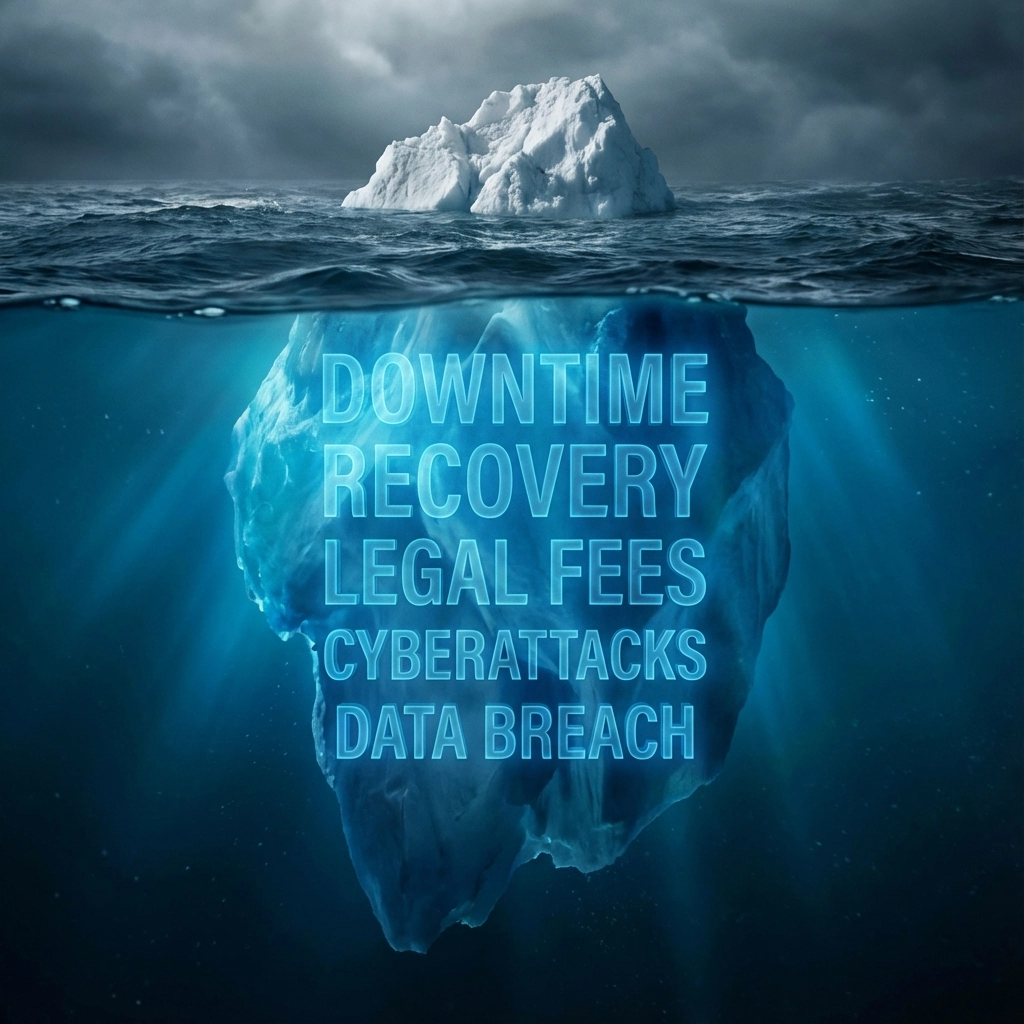
Recent data shows that while the median ransomware payment has risen to approximately £157,000, the total incident cost often multiplies this figure by ten or more when all factors are considered.
Why UK Businesses Are Particularly Vulnerable
The ransomware landscape in the UK has shifted dramatically. Government data reveals that ransomware prevalence among UK businesses doubled between 2024 and 2025, increasing from less than 0.5% to 1%. This surge isn't coincidental: it's driven by several factors:
Remote Work Legacy Issues
The rapid shift to remote work during the pandemic left many UK businesses with hastily implemented security measures that criminals now exploit.
Sector-Specific Targeting
Industries like healthcare, finance, and property management face heightened risks due to the sensitive nature of their data. For instance, property inventory services handling landlord and tenant information represent attractive targets for cybercriminals.
Insufficient Cybersecurity Investment
Many UK SMEs still view cybersecurity as an optional expense rather than essential business insurance.
The 10-Minute IT Security Checklist That Could Save Your Business
Don't let cybersecurity overwhelm you. This practical checklist can be completed in just 10 minutes and will significantly strengthen your defenses:

Immediate Actions (2 minutes)
✅ Enable Multi-Factor Authentication (MFA)
- Turn on MFA for all admin accounts immediately
- Enable it for email, cloud storage, and financial systems
- Use authenticator apps rather than SMS when possible
✅ Check Your Backup Status
- Verify your last backup completed successfully
- Ensure backups are stored offline or in immutable storage
- Test one file restoration to confirm backups work
Quick Security Assessment (3 minutes)
✅ Review User Access Rights
- Remove access for former employees immediately
- Check if current staff have appropriate access levels only
- Disable any unused admin accounts
✅ Update Critical Software
- Install pending operating system updates
- Update antivirus/anti-malware software
- Check for updates on frequently used applications
✅ Secure Your Network
- Change default router passwords if still in use
- Ensure Wi-Fi uses WPA3 encryption
- Check if any unknown devices are connected to your network
Essential Policy Review (3 minutes)
✅ Email Security Rules
- Remind staff never to click suspicious links or download unexpected attachments
- Implement a "verify by phone" policy for financial requests
- Set up email filtering for suspicious content
✅ Password Policy Enforcement
- Ensure all accounts use unique, strong passwords
- Implement a password manager for your team
- Set mandatory password changes for any compromised accounts
Documentation and Planning (2 minutes)
✅ Incident Response Plan
- Document who to contact in case of a security incident
- Keep Evestaff IT Support and Consultancy contact details readily available: https://itandconsultancy.co.uk
- Note the location of offline backups and recovery procedures
✅ Cyber Insurance Review
- Check your policy coverage and claim procedures
- Document your current security measures for insurance purposes
- Understand what your policy requires in case of an incident
Industry-Specific Considerations
Different sectors face unique cybersecurity challenges that require tailored approaches:
Property Management and Real Estate
Companies in the property sector, including inventory services, handle vast amounts of personal and financial data. If you're in real estate and need specialized support that understands both property management and IT security, consider partnering with services like propertyinventoryclerks.co.uk, which offers B2B property inventory services with built-in data protection awareness.
Financial Services
With average breach costs reaching £5.74 million in the financial sector, firms must implement the highest security standards and regular penetration testing.
Healthcare and Professional Services
These sectors require compliance with strict data protection regulations while maintaining operational efficiency.

The True Cost of Doing Nothing
While implementing cybersecurity measures requires investment, the cost of inaction far exceeds any prevention expenses. Consider that:
- Recovery time from a ransomware attack averages 23 days
- Customer trust, once lost, takes years to rebuild
- Regulatory fines under GDPR can reach £20 million or 4% of annual turnover
- Business closure affects 60% of small businesses within six months of a major cyber attack
Building a Proactive Security Culture
Effective cybersecurity isn't just about technology: it's about creating a security-conscious culture within your organization:
Regular Training
Conduct monthly security awareness sessions with your team, focusing on current threat trends and real-world examples.
Incident Simulation
Run quarterly tabletop exercises to test your response procedures and identify gaps in your planning.
Continuous Monitoring
Implement automated monitoring tools that can detect unusual activity patterns and alert you to potential threats.
Professional Partnership
Consider partnering with a managed IT service provider who can monitor your systems 24/7 and respond to threats in real-time.
Moving Forward: Your Next Steps
The cybersecurity landscape will continue evolving, but you don't have to navigate it alone. Start with the 10-minute checklist above, then build upon it systematically.
Remember that cybersecurity is an ongoing process, not a one-time setup. Regular reviews, updates, and improvements are essential to staying ahead of evolving threats.
Whether you're a small property management firm handling sensitive tenant data or a growing consultancy managing client information, the principles remain the same: preparation, vigilance, and professional support when needed.
The £3.29 million average cost of a data breach in the UK represents more than just numbers: it represents businesses forced to close, jobs lost, and customer trust shattered. But with proper preparation and the right support, these devastating outcomes are entirely preventable.
Ready to strengthen your cybersecurity posture and protect your business from becoming another statistic? Book a free discovery call, let's Talk – https://itandconsultancy.co.uk/lets-talk/
Join The Discussion