
UK business communication is evolving fast. In 2026, scattered tools and siloed systems quietly drain productivity. If your team is hopping between WhatsApp, Zoom, email and a separate phone system, you’re not alone—you’re just not operating at full tilt.
The fix isn’t UC alone—it’s UC built on solid Managed IT Support. Think of Managed IT Support as the bedrock: robust networks, security, device management and responsive user support. With that in place, UC becomes the smart, cloud-based hub that ties calls, meetings and messages together—and gives UK SMEs a clear, measurable edge.
What Unified Communications Really Means in 2026
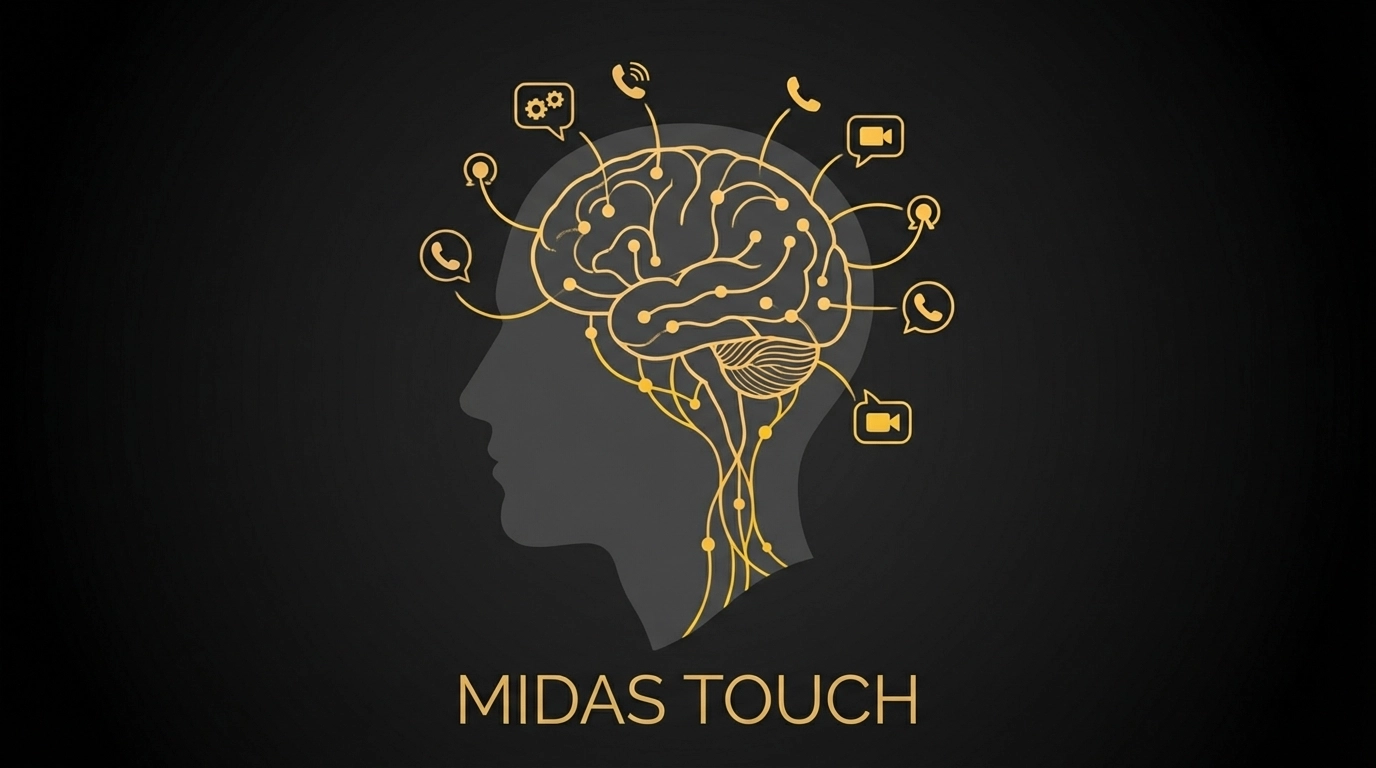
Unified Communications now goes far beyond simple integration. Today’s platforms are programmable engagement layers—your business’s central nervous system—where voice, video, messaging, files and customer interactions flow through a single, intelligent hub.
The headline for 2026 is the convergence of UCaaS (Unified Communications as a Service) and CCaaS (Contact Center as a Service). Internal collaboration and external customer conversations finally share the same context, data and workflows.

The Strategic Shift: From Multiple Tools to One Platform
Most UK SMEs still run communications as a patchwork. Sales lives in one CRM, customer service in a different phone system, and internal teams in yet another chat tool. That fragmentation causes:
- Context switching delays as staff bounce between apps
- Information silos where customer data never reaches the right people
- Duplicate costs from overlapping subscriptions
- Inconsistent customer experiences across disconnected touchpoints
The smart 2026 move is consolidation. With native CRM integrations, click-to-dial, automatic call logging and screen pops, your team gets instant customer context. No more “Can you repeat that?” or treasure hunts through multiple systems.
Cloud-Native: The New Standard for UK Businesses
Cloud-based UCaaS is now the default for forward-thinking organisations. It’s particularly compelling for UK SMEs competing with bigger players while staying lean:
Scalability Without Infrastructure Headaches: Add or remove users in minutes as demand changes. Scale up for peaks, scale down for lulls—pay only for what you use.
Hybrid Workforce Support: Remote and hybrid are here to stay. Cloud-native UC keeps experiences seamless whether your team is in Manchester, working from home in Cornwall or on a client site in London.
Elimination of Capital Expenditure: Ditch the racks and maintenance contracts. Features and security updates land automatically—no upgrade weekends required.

AI Integration: From Feature to Foundation
AI has graduated from “nice to have” to “non‑negotiable.” The best UC deployments in 2026 treat AI as core, not garnish.
Real-Time Collaboration Intelligence: Live transcription, translation and meeting summaries keep cross‑location teams aligned. Birmingham to Edinburgh, nothing gets lost—and everything gets captured.
Context-Aware Customer Interactions: Real-time analysis routes urgent or frustrated customers to the right people and surfaces sentiment and suggested responses for agents. This is very much a today thing, not tomorrow.
Automated Administrative Tasks: Voice scheduling, intelligent routing and auto-managed meeting rooms reduce admin drag and improve user experience.
Supporting Your Hybrid Workforce Strategy
Flexible working is now the baseline. Your UC platform should deliver frictionless continuity across channels and devices. Start a customer chat on mobile, pick it up on a laptop, hand off to a colleague—no context lost.
Workspace Management Integration: Desk booking and meeting room scheduling support hot‑desking and flexible office policies common across UK SMEs.
Device Continuity: Desktop phones, mobiles or softphones—the experience should be consistent, with every interaction centrally logged.
Industry-Specific Solutions for UK SMEs
Savvy organisations choose vertical‑specific UC tuned to their realities:
Healthcare Practices: Secure patient comms, GDPR compliance and integration with clinical systems.
Financial Services: Enhanced security, compliant call recording and secure document sharing.
Manufacturing: Ties into production systems, emergency comms and mobile‑first tools for the shop floor.
Professional Services: Client portals, automated scheduling and secure file exchange for sensitive work.
Security and Compliance: Non-Negotiable Standards
With threats evolving and UK data laws tightening, security isn’t optional. Modern UC should include:
Proactive Threat Detection: Real‑time monitoring and automated responses to unusual activity.
End-to-End Encryption: Voice, video and messaging encrypted in transit and at rest.
GDPR Compliance: Built‑in retention, handling and audit trails to keep you on the right side of UK/EU regulation.
Managed Security Services: Many SMEs benefit from specialist MSPs delivering enterprise‑grade protection without the in‑house overhead.
The ROI of Strategic UC Implementation
Done right, UC pays for itself—and then some:
- Reduced Communication Costs: One platform, fewer contracts, internet-based calling
- Improved Productivity: Up to 25% gains when friction disappears
- Faster Customer Resolution: Shared context and smart routing cut resolution times by up to 40%
- Enhanced Customer Satisfaction: Consistency across touchpoints builds loyalty

Making the Transition: Practical Steps for UK SMEs
Assess Your Current State: Audit tools, contracts and workflows. Map pain points and overlaps.
Choose Cloud-Native Platforms: Prioritise single‑platform UCaaS + CCaaS with strong UK presence and support.
Plan for Change Management: Budget time for training and workflow tweaks—adoption drives ROI.
Start with Core Features: Nail calling, meetings and messaging first; then layer in AI and automation.
Partner with Specialists: Work with UK‑based consultants who understand local requirements and offer ongoing support.
Looking Forward: The Competitive Advantage
Through 2026, UC moves from advantage to necessity—but only when it rides on reliable Managed IT Support. When your networks, endpoints and security are proactively managed, your UC stack stays fast, secure and available.
Put simply: Managed IT Support is the engine room; UC is the experience layer. Strong foundations cut outages, speed up resolutions and make every customer interaction smoother.
The organisations that win will stabilise the core with managed support, consolidate fragmented tools into a cloud-native UC platform and treat AI as built‑in, not bolt‑on.
Book a free discovery call, let's Talk – https://itandconsultancy.co.uk/lets-talk/
Join The Discussion